 Hadar Bismut
Engagement looks different in every community, and the ways it shows up look completely different from one community to the next.
In the engagement scale workshop, we sort out what to measure and what to leave out, and then build an engagement scale tailored to each community. The tool I built in Base44 is flexible: it lets community leaders define what engagement looks like in their own communities. It's flexible because engagement isn't one size fits all, which means the way you measure it has to match the specific characteristics of each community precisely.
How does engagement show up?
- Comes to meetups
- Writes in the WhatsApp or Teams group
- Shares case studies
- Leads meetups
- Initiates projects, ideas and collaborations
- A sense of belonging (advanced)
- Talks to us personally
- Helps lead the community
- Invites people to join the community
- Uses what they learned day to day
- A good atmosphere
- Friendships form
- A feeling of trust
- People feel comfortable being themselves
The truth is, measuring engagement in a community is hard. Some things count as engagement but are difficult to measure. For example, measuring engagement that doesn't show up in visible actions, like a sense of belonging, means working with periodic surveys that have to be worded very neutrally so the questions don't bias the answers. Surveys like that can also be a bit of a burden, and the answers don't always give you an insight you can act on.
So the most accessible way to understand engagement, and to measure it, is to decide what engagement looks like on the ground, in practice, day to day.
In the workshop I prepared for Microsoft, we'll examine engagement across the different communities based on the expressions of engagement each community leader defines. For example, for someone who counts as an "observer" on the engagement scale, the definition in one community might be that observers accept meeting invitations. In another community, observers might be the people who come to meetings and don't speak. That way, each community has its own expressions for every stage of the engagement scale.
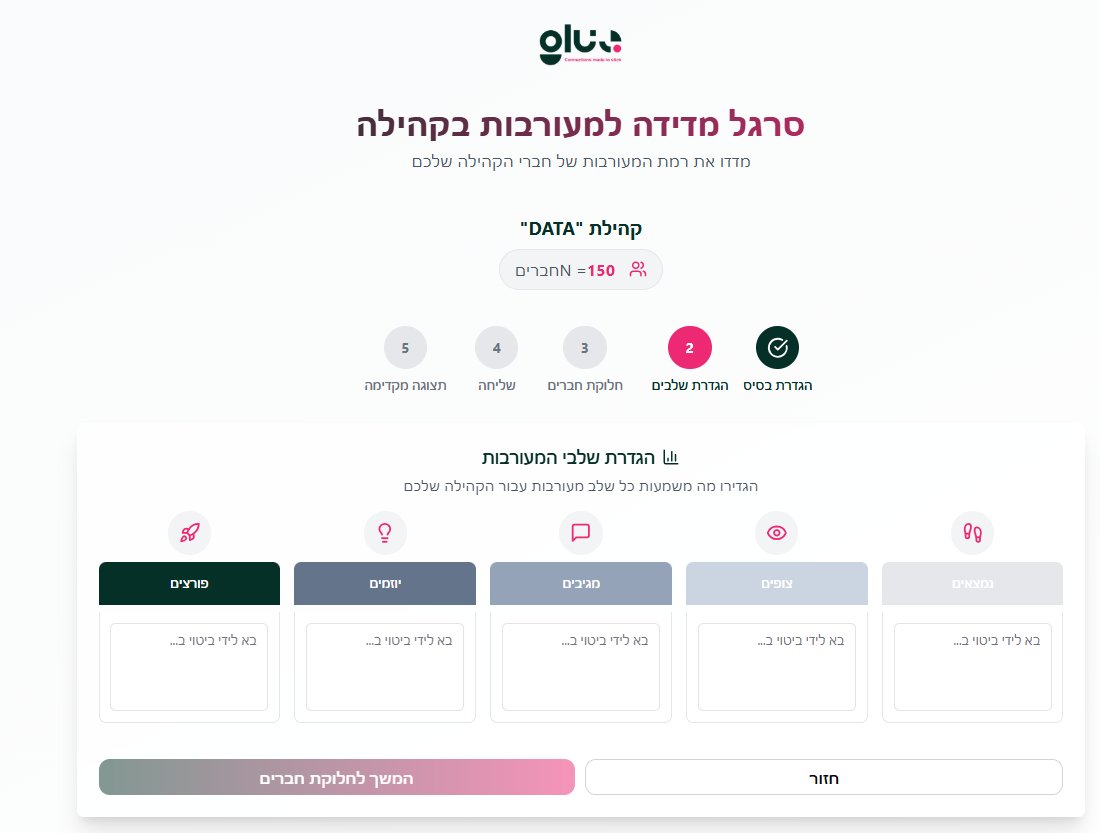
The next step is to place the number of community members at each stage of the engagement scale and analyze the results. This stage, thinking through the expressions of engagement, placing members on the scale, and zooming out on the results, makes a significant difference in managing the community. Simply being able to say what engagement actually looks like in community X helps me manage it: choose where to focus, decide how to make changes, and measure improvement trends.
To improve something, you first need to understand the level of engagement on the ground, and be as specific as possible about the kind of expression you want to see in the community, so you can tell whether something is moving and changing. That's what we want to measure and manage.